admin
admin From 2012 to 2024, the average curb weight of China’s passenger vehicles jumped from 1,312kg to 1,704kg, an increase of 392kg on average. Weight growth between 2020 and 2024 outstripped the total rise of the prior eight years. New energy vehicles are the main contributor to vehicle overweight, with some flagship EVs hitting 3.8 tons, as heavy as light trucks, triggering growing regulatory and industrial concerns.
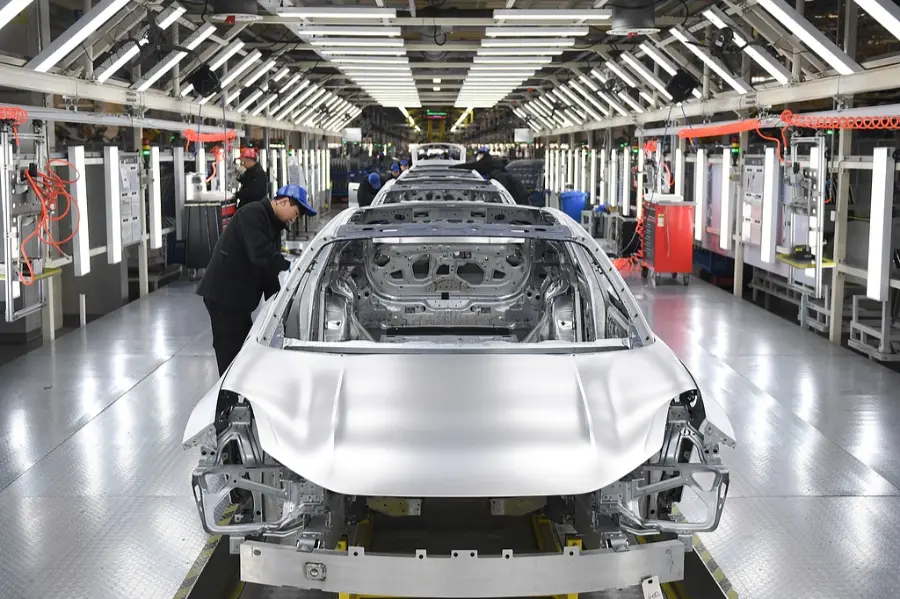
EV transformation is the primary cause of rising curb weight. Restricted by current technical limits on energy density of ternary lithium and LFP batteries, automakers install oversized battery packs to ease drivers’ range anxiety. Battery packs for mainstream household EVs weigh 500–650kg, while long-range versions reach 700–800kg; additional weight from motors, electronic control systems and underbody protection further bulks up vehicles. Meanwhile, consumers prefer large-wheelbase mid-to-large SUVs, pushing OEMs to launch oversized flagship “Series 9” models with expanded body dimensions; extra fittings including vehicle refrigerators, large screens and premium seats add extra weight continuously.
Excessive vehicle weight is double-edged. Heavier bodies and abundant safety parts improve driving safety and comfort yet bring obvious downsides: every extra 100kg raises power consumption by around 7.5%, with 3-ton pure electric SUVs consuming over 20 kWh per 100km and boosting carbon emissions throughout lifecycle. A 20% weight hike increases road damage rate to 2.07 times original and raises municipal maintenance costs; overweight vehicles also wear out tires and brakes faster and cause understeer. Massive lithium mineral consumption for oversized batteries conflicts with China’s dual-carbon strategy.
China has rolled out multiple policies to curb blind weight growth: new national EV energy consumption standard took effect in 2026; under updated purchase tax rules, EVs over 2710kg can only enjoy preferential tax if power consumption stays below 19.1kWh/100km. MIIT speeds up formulation of carbon footprint and energy-saving standards. Automakers invest in semi-solid batteries and lightweight composite materials to strike a balance among cruising range, cabin space and curb weight. Industry experts point out vehicle lightweighting is an irreversible long-term trend, and differentiated taxation can coordinate personal driving comfort and nationwide energy conservation goals.