admin
admin In June 2026, the White House of the United States put forward a new tariff proposal, planning to raise import tariffs on products from 60 global countries on the excuse of insufficient governance over forced labor in supply chains. Australia is included in the target list; its existing 10% temporary tariff imposed since February will rise to 12.5% starting July 24. Australian senior officials have spoken out against the policy, with the Treasurer and Prime Minister arguing the new tariff is groundless and violates their bilateral free trade pact.
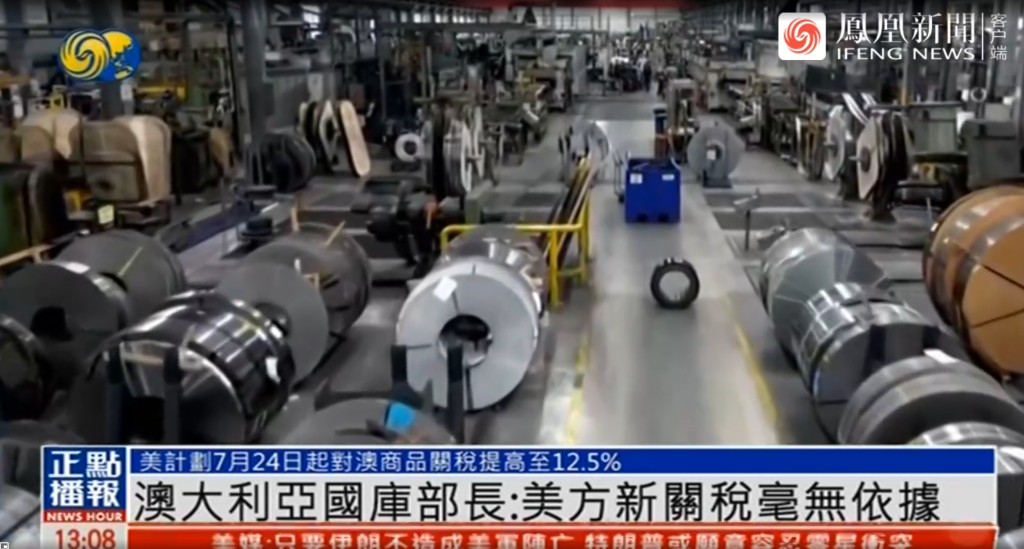
The US official report claimed Australia failed to enact and enforce bans on forced-labor imports, with unreasonable policies burdening American manufacturing industries, which became the core reason for planned tariff hikes. However, Australian Treasurer Jim Chalmers immediately refuted the accusation. He stated Australia has enacted world-leading laws against modern slavery to curb forced labor, so the US judgment lacks factual evidence. Chalmers stressed the unilateral tariff hike breaches the Australia-US Free Trade Agreement (AUSFTA), and Australia will take all available legal measures to safeguard benefits of domestic exporters and local workers.
Australian Prime Minister Anthony Albanese also expressed surprise and confusion over Washington’s tariff move on June 4, pointing out the US links extra tariffs to ideological disagreements unreasonably. Signed in 2005, AUSFTA eliminates duties for over 90% of Australia’s non-agricultural goods shipped to the US and fuels sharp growth of two-way trade. Washington’s sudden policy reversal breaks the long-term stable trade framework built under the free trade dealAustralian Government Department of Foreign Affairs and Trade.
Economically, the US stands as one of Australia’s top export destinations for farm produce, minerals and manufactured goods. The 2.5-percentage-point tariff increase will raise export costs sharply and squeeze profit margins of Australian trading firms. As a long-time US ally and beneficiary of the bilateral FTA, Australia’s inclusion in the tariff list reflects rising US trade protectionism, which makes tariffs a tool for unilateral economic coercion instead of regular trade regulation.
The US proposal is still open for public comments and a formal hearing is scheduled on July 7. Australia intends to resort to diplomatic negotiation and trade appeals based on FTA clauses to defend its legal interests. Meanwhile, America’s widespread tariff hikes against allies trigger global worries over the stability of multilateral trade rules and global supply chains.