admin
admin On June 2 local time, U.S. President Donald Trump triggered an uproar across American politics by naming 38-year-old William Pulte, head of the Federal Housing Finance Agency (FHFA), as Acting Director of National Intelligence (DNI). Pulte, a scion of a prominent real estate clan with zero professional background in intelligence or national security, will succeed Tulsi Gabbard, who is set to step down effective June 30 to care for her husband battling cancer. The unconventional appointment of a real estate insider to oversee America’s sprawling intelligence apparatus has split bipartisan consensus and stoked widespread fears over the politicization of U.S. intelligence agencies.
Created after the 9/11 terrorist attacks, the DNI post was instituted in 2004 as a core product of U.S. intelligence overhaul. Tasked with coordinating 18 federal intelligence bodies nationwide and compiling the President’s Daily Brief, a confidential intelligence digest for top policymakers, the role was designed for seasoned national security veterans expected to deliver impartial threat assessments above partisan divides. Trump’s latest personnel pick has upended over two decades of established recruitment norms for the critical cabinet-level post. Born into the founding family of PulteGroup, America’s third-largest homebuilder, Pulte built his career around real estate development and private equity investment with no track record in defense or intelligence policymaking. His chief credential lies in unwavering loyalty to Trump and a close personal bond with Donald Trump Jr., earning him the moniker “Little Trump” within Washington circles.
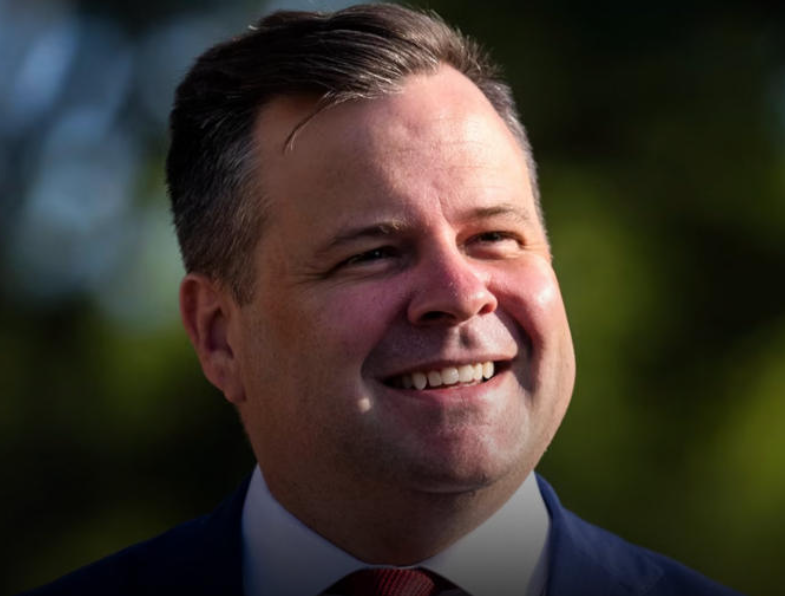
Pulte secured access to Trump’s inner circle via membership at Mar-a-Lago and hefty personal political donations. After assuming FHFA leadership in March 2025 with oversight powers over mortgage giants Fannie Mae and Freddie Mac, he turned federal housing regulatory authority into a partisan weapon targeting Trump’s political rivals. He filed criminal referrals alleging mortgage fraud against California Democratic Senator Adam Schiff, New York Attorney General Letitia James, former Federal Reserve Chair Jerome Powell and Fed Governor Lisa Cook, yet none of these prosecutorial attempts ever yielded successful indictments. Pulte also clashed repeatedly with Treasury Secretary Bessent amid the cabinet, with numerous administration officials decrying his overreach and unorthodox aggressive tactics that disrupted federal governance.
Trump publicly defended the appointment, touting Pulte’s achievements regulating the U.S. mortgage market and arguing his experience managing sensitive financial markets qualifies him to lead national intelligence operations. Adding further controversy, Pulte will retain all his existing roles as FHFA Administrator and Chairman of Fannie Mae and Freddie Mac concurrently with his interim intelligence portfolio. Under U.S. federal law, an acting DNI may serve a maximum of 210 days pending formal Senate confirmation, a timeline seen by critics as convenient for Trump to navigate election-cycle politics and lock in his preferred intelligence chief long-term.
The nomination immediately drew fierce pushback from Democrats and cautious skepticism among establishment Republicans. Mark Warner, top Democrat on the Senate Intelligence Committee, slammed Trump for bypassing credible, independent national security experts in favor of an official bent on wielding state power for political retaliation. “This is how intelligence gets politicized, inconvenient facts buried, institutions tasked with safeguarding democracy turned into partisan tools, and ordinary Americans left more vulnerable to terrorist threats,” Warner stated. Targeted by Pulte’s prior legal offensives, Senator Adam Schiff posted on social media that Pulte had already weaponized federal housing regulators and would replicate the same partisan abuse across the intelligence community to the detriment of U.S. national safety. Even within the Republican Party, Texas Senator John Cornyn bluntly noted he saw no credible qualifications for Pulte to run U.S. intelligence, while Senate Intelligence Committee Chairman Tom Cotton declined all comment on the controversial appointment as a quiet sign of disapproval.
A White House spokesperson pushed back against bipartisan criticism, claiming Trump selected highly competent talent to deliver landmark governance for American voters, yet the official defense failed to calm widespread skepticism. Javed Ali, former senior director at the White House National Security Council, warned the selection would further erode the institutional standing of the DNI office ahead of the 25th anniversary of the 9/11 attacks. Installing a real estate executive devoid of national security expertise signals the current administration’s diminishing regard for the statutory authority of the nation’s top intelligence coordinator, he explained.
Gabbard’s pending exit stems from long-running policy friction with the White House. A former Democrat, she consistently opposed U.S. overseas military interventions and clashed with Trump on Iran nuclear negotiations, gradually being sidelined from core national security decision-making long before announcing her resignation, with her family health concerns widely viewed as a convenient exit route amid internal White House purges of dissenting officials.
Pulte’s unprecedented shift from real estate finance to America’s top intelligence helm epitomizes Trump’s governing mantra of prioritizing personal loyalty over professional competence in federal appointments. At a time when the U.S. faces mounting global geopolitical tensions and persistent transnational terror risks, institutional neutrality stands as the bedrock of effective intelligence work. Should U.S. intelligence resources keep falling prey to partisan political manipulation and intelligence analysis skewed to suit presidential political priorities, America’s decades-built modern intelligence framework faces irreversible systemic damage. This landmark appointment will continue roiling U.S. congressional politics and reshaping the country’s national security landscape for months to come.
 微信扫一扫打赏
 支付宝扫一扫打赏