admin
admin Driven by US-Iran geopolitical conflict and suspended shipping at the Strait of Hormuz, the global crude supply chain keeps tightening, and US weekly petroleum inventory data plunges to the lowest level since 2004. Senior industry experts warn that international crude may spike to $200 per barrel this summer if the strait stays closed, and rocketing oil prices would drag down global economy and financial markets in a chain reaction.
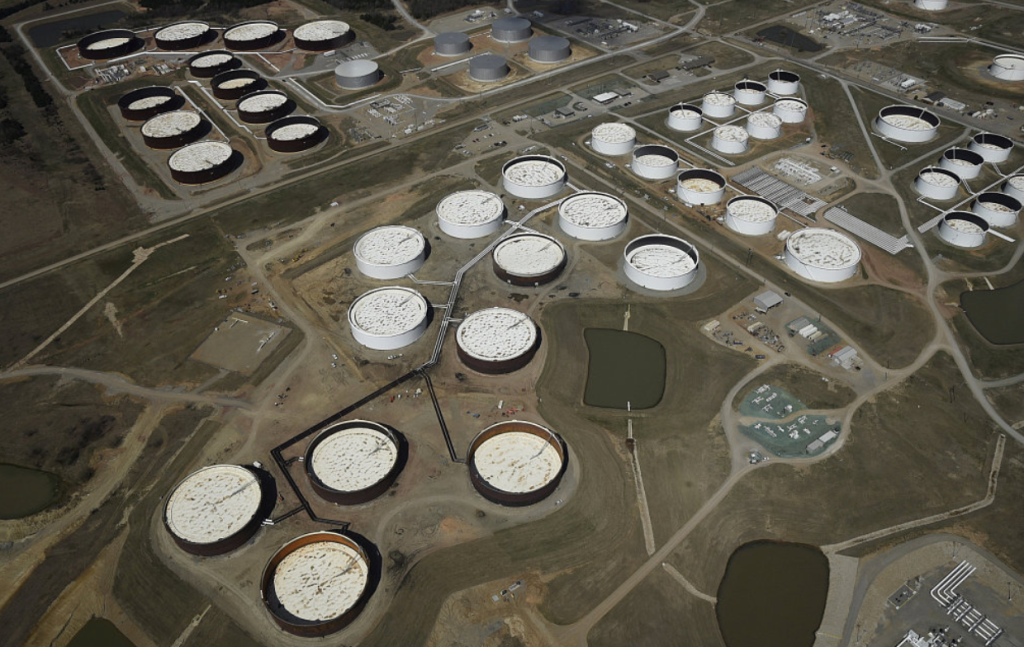
Data from US EIA shows total US crude and refined product inventories dropped by 10.6 million barrels week-on-week to 1.57 billion barrels, hitting a 22-year trough. The sharp drawdown mainly comes from skyrocketing crude exports: US daily crude shipments jump from 4.4 million barrels to 5.8 million barrels, exceeding the annual output of multiple OPEC members and making America the core alternative supplier amid global oil shortage.
To ease price hikes triggered by Middle East supply disruption, the US government has unleashed massive volumes from its Strategic Petroleum Reserve (SPR). Around 50 million barrels have been released so far, with another 172 million barrels authorized for future withdrawal. While SPR drawdown temporarily capped oil gains, shrinking commercial and strategic reserves turn the stock release from a market stabilizer into a hidden downside risk once US emergency inventories run thin.
Bob McNally, ex-White House advisor and Rapidan Energy Group’s president, warns oil may hit $200/barrel without restored Hormuz shipping amid Northern Hemisphere summer fuel demand surge. Surging oil costs will spread across all industrial chains, lifting global production and living expenses and triggering systemic financial risks. Markets once bet on US-Iran peace talks to cool oil prices after President Trump’s negotiation hints, yet renewed regional tensions crush such optimism and fuel bullish crude sentiment.
Global oil traders rush to purchase US crude to offset supply deficit and speed up domestic inventory depletion. Matt Smith from Kpler points out the US is the last viable global oil supplier, yet draining inventories force crude prices higher to curb outbound shipments. Once US curbs oil exports due to tight stocks, the world will face limited alternative supplies and face drastic oil price hikes. Without immediate de-escalation in the Middle East, global crude inventories will keep falling and oil prices stay volatile at elevated levels.