admin
admin John Williams, President of the New York Fed, stated publicly that US monetary policy is appropriately positioned at present, ruling out both interest rate hikes and cuts ahead of the Fed’s June policy meeting. His remarks come amid rising inflation risks from Middle East conflicts, yet divergent views inside the Federal Reserve add uncertainties to the upcoming rate decision due mid-June.
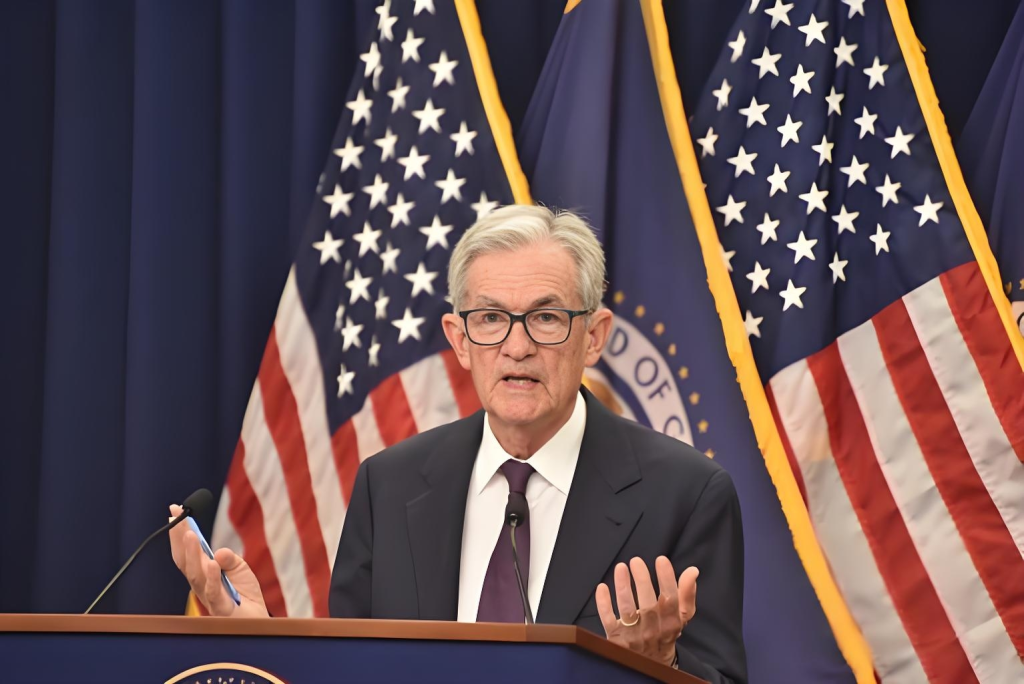
Scheduled on June 16-17 in Washington, the latest FOMC meeting will be chaired by newly-appointed Fed Chair Kevin Warsh, with core discussion centered on revisions to forward policy guidance. Multiple Fed policymakers propose removing the wording that future policy leans toward rate cuts, which would mark an end to previous easing expectations and shift the central bank to a wait-and-see stance, further backed by Williams’ latest remarks.
US inflation has picked up notably recently: the Fed’s preferred PCE price index climbed 3.8% year-on-year in April, the steepest rise since 2023. Three major drivers fuel upward price pressure: surging crude prices from suspended Strait of Hormuz shipping, higher import costs caused by new US tariff policies, and massive investment across the whole AI industrial chain. Nevertheless, Williams emphasized that service inflation is cooling down evidently, a core reason for his opposition to immediate rate hikes.
Regarding Middle East geopolitical risks, Williams expects oil prices to ease once the strait resumes normal vessel passage and rules out persistent second-round inflation triggered by energy spikes. He also argued the latest US tariff measures have limited inflationary impacts, insufficient to push the Fed into tighter policy. Meanwhile, US unemployment stays steady at 4.3%, near full employment level and supporting the Fed’s hold stance.
However, Beth Hammack from Cleveland Fed holds a conflicting view, warning renewed rate hikes will become necessary if inflation keeps worsening alongside climbing oil prices. Boosted by large-scale AI investment nationwide, Williams forecasts US annual economic growth will range between 2% and 2.25% in 2026.
The conflicting opinions within the Fed make the June meeting’s statement wording a critical benchmark for global asset pricing, triggering potential volatility across US dollar, Treasury bonds, commodities and worldwide stock markets.