admin
admin After briefly becoming Asia’s richest man driven by AI boom for merely three days, Masayoshi Son once again triggers heated debates over whether he is a forward-looking trend chaser or a bubble-chasing speculator in global venture capital circles. According to Forbes real-time billionaire ranking, Son lost USD 13.2 billion of personal wealth in a single day with a 13% plunge in net assets down to USD 87.1 billion, falling behind India’s Ambani and Adani and losing his Asian top spot. The sharp wealth shrinkage stemmed from SoftBank’s stock slumping over 17% within three trading days; its market value fell to 42.35 trillion Japanese Yen and was overtaken by Kioxia, ending its status as Japan’s most valuable listed firm despite a nearly 70% year-to-date share gain.
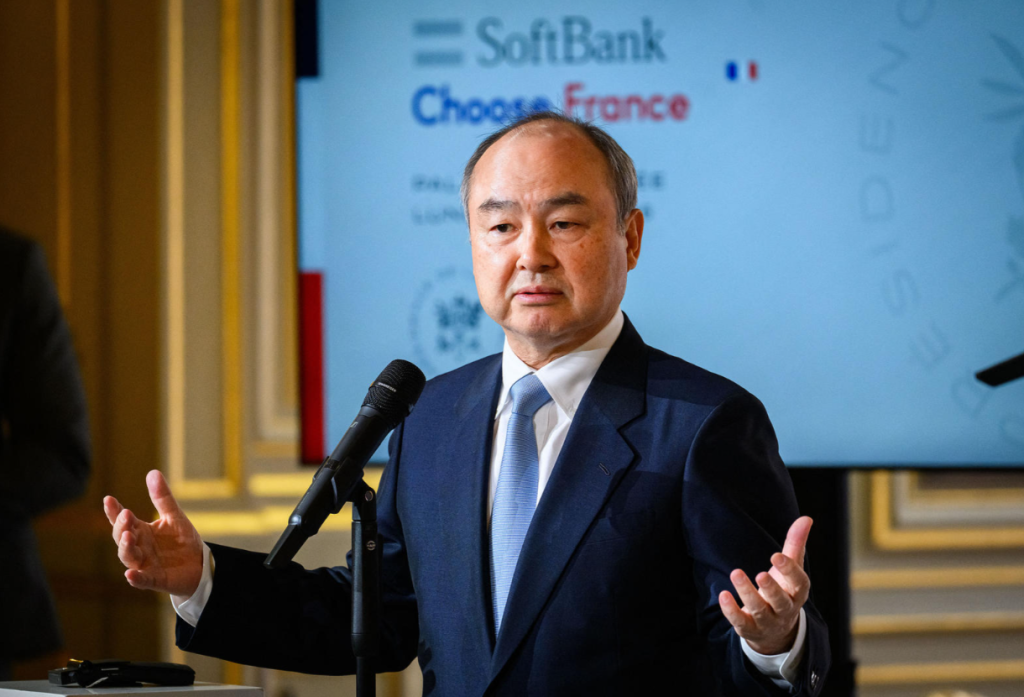
Son’s drastic wealth swing is fully tied to his all-in AI strategy. Over the past year, SoftBank has poured more than USD 60 billion into OpenAI and joined the Stargate project. The group also unveiled an investment plan of up to USD 85 billion in France to build Europe’s 5GW top-tier computing cluster. Son claims the ongoing AI revolution is at least 10 times and possibly 50 times larger than the previous internet boom with huge long-term potential. However, SoftBank’s internal executives worry about Son’s excessive blind trust in OpenAI’s Altman, as the CEO repeatedly rejects risk warnings, making insiders hesitant to voice concerns over potential investment pitfalls.
Bold big-bet investment has always defined Son’s career, bringing both legendary gains and painful losses. In the early internet era, he invested in Yahoo after a 30-minute talk and pumped USD 20 million into Alibaba following a six-minute meeting, with total investment hitting USD 80 million later. The Alibaba IPO in 2014 brought nearly 3000-fold return and lifted him to Asia’s richest in 2000. Yet the dot-com bubble burst erased over 90% of his paper wealth with USD 60 billion notional loss in months. His hasty USD 10-billion bet on WeWork after a 12-minute chat ended up in a USD 14.3 billion write-down, forcing Son’s public apology for the failed deal.
SoftBank’s Vision Fund previously suffered USD 23 billion accumulated losses from bad investments, nearly wiping out 40% of its principal. Analysts from Nomura warn the AI-fueled stock rally may fade if actual industrial returns fail to match overblown market expectations. Dismissing bubble doubts, Son insists market bubbles are just short-term blips amid long industrial expansion and prefers risky bets over missing transformative industrial chances. It remains unknown whether his massive AI wager will replicate Alibaba’s blockbuster success or repeat the costly WeWork failure amid diverging AI valuations.