admin
admin Boosted by surging global AI computing demand, the memory chip sector enters a robust super cycle, pushing Samsung, Micron and SK Hynix to record market cap highs. Biwin Storage, based in Shenzhen, refiled for Hong Kong main-board IPO to realize A+H dual listing. Led by Sun Chengsi, who took over at 27, the firm has evolved from a small trading workshop into a domestic memory leader valued at nearly RMB150 billion after 11 years of development, setting a benchmark for second-gen family business transformation.
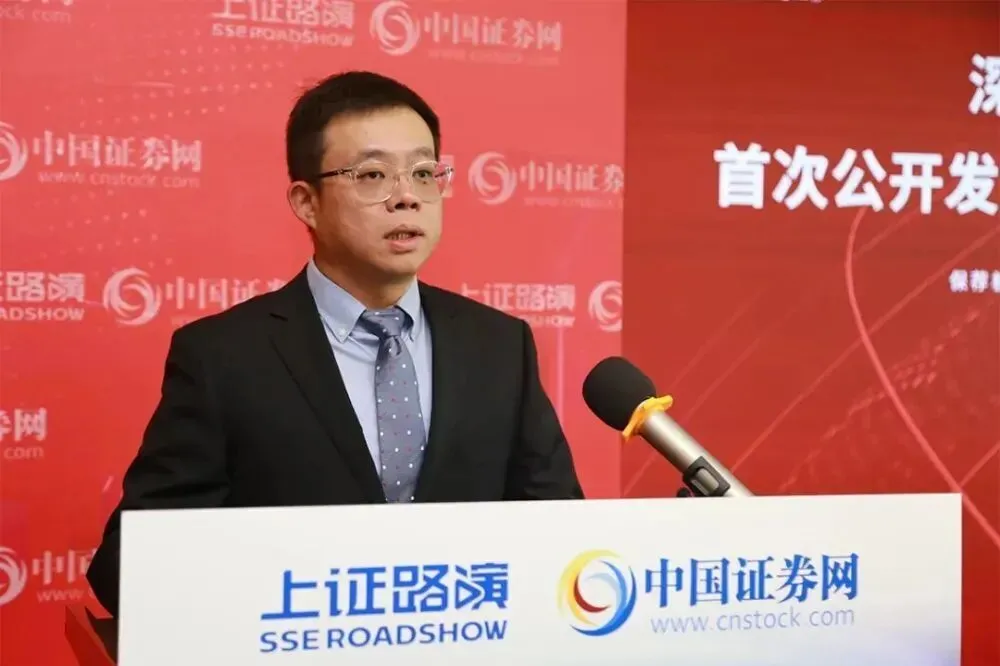
In 2015, UK-educated Sun Chengsi succeeded his father Sun Rixin as Biwin’s chairman at age 27. Back then, global memory market was dominated by Japanese, South Korean and American giants, while Biwin survived barely on low-end component trading and OEM manufacturing amid brutal homogeneous competition. Sun mapped out a core transformation strategy: integrated packaging & testing plus independent chip R&D, quitting low-margin trading and pouring capital into core industrial links. Rejected by three international equipment suppliers, Sun’s team traveled to Japan for negotiations and secured its first mass-production line, building two specialized manufacturing bases in Huizhou and Songshan Lake for auto memory and high-end AI wearable chips respectively, forming irreplicable industrial advantages.
Counter-cyclical R&D investment helped Biwin weather industry downturns. While leading peers including Micron and Hynix slashed R&D budgets and staff amid market slumps, Sun kept boosting tech spending. Biwin’s annual R&D outlay jumped from RMB51 million in 2018 to RMB632 million in 2025, up over 11 times in seven years. After years of research, its self-developed SP1800 embedded controller and ultra-thin ePoP packaging passed verification and entered Meta’s supply chain for Ray-Ban AI smart glasses, with BYD, OPPO and Xiaomi as core clients; AI-end storage revenue hit nearly RMB1.8 billion yearly.
Betting on AI-triggered component shortage, Sun committed RMB10.2 billion to lock two-year wafer supply to guarantee stable production. The strategy delivered explosive financial results: Biwin posted RMB11.302 billion revenue and RMB853 million net profit in 2025 with over 400% yearly profit growth, and its Q1 2026 net profit alone reached RMB2.9 billion, tripling full-year 2025 earnings. Holding 17.77% shares, Sun’s personal net worth stands at around RMB27 billion, a 200-fold increase over 11 years ago.
Nevertheless, Biwin faces hidden risks including RMB12 billion high inventory, negative operating cash flow and ongoing patent lawsuits versus Jiangbolong’s affiliate. Its Hong Kong IPO serves as a key channel to raise capital and cushion cyclical risks, and the Chinese memory firm is poised for sustained growth amid long-term AI expansion.