admin
admin As reported by Germany’s Handelsblatt, Starlink satellites under SpaceX suffer regular losses, with an average of one to two spacecraft burning up in Earth’s atmosphere every single day. Mounting financial losses and potential atmospheric pollution have drawn growing concerns among experts.
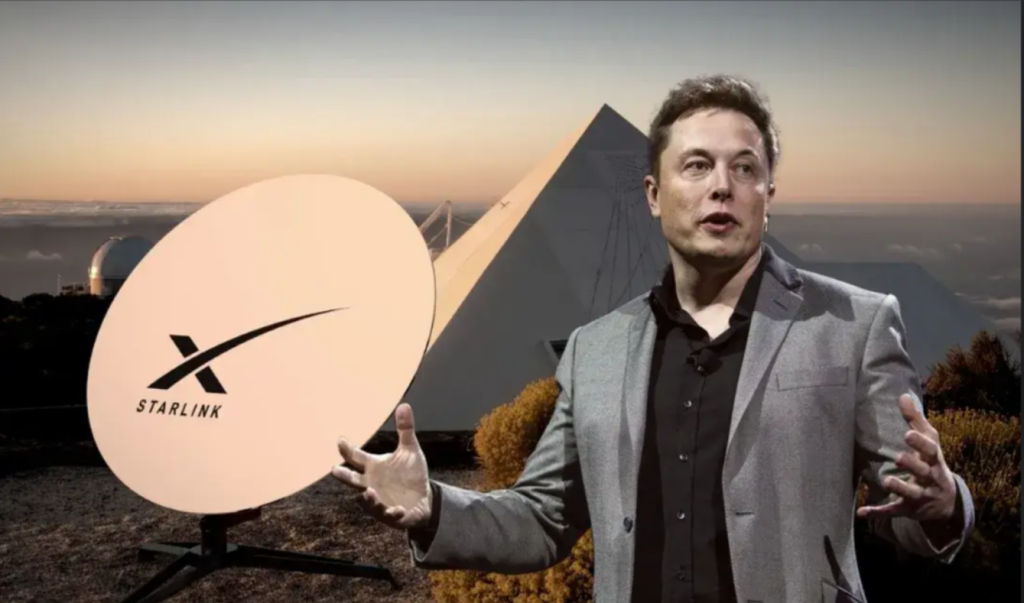
Around 15,000 artificial satellites orbit Earth globally at present, among which 10,260 belong to Starlink, the world’s largest low-Earth-orbit satellite constellation. Approved by the US Federal Communications Commission, Starlink plans to expand its orbital fleet to over 42,000 units in the long run. Elon Musk has also expanded Starlink’s business layout into space mobile communication and space computing centers, and even filed an application to launch up to one million extra supporting satellites, most of which will operate at altitudes between 350km and 500km above Earth.
Low orbit brings both merits and drawbacks: it enables ultra-low-latency data transmission, yet residual atmospheric drag gradually slows down satellites, limiting their service life to 5–7 years. Second-generation mobile communication-focused Starlink satellites fly as low as 350km, facing drastically stronger air resistance; without frequent orbital adjustments, these satellites will crash within weeks and push up scrappage rates. Early-version Starlink satellites cost roughly $180,000 apiece with only 1–2 years of service life, while newer, heavier generations carry higher production costs. Astrophysicist Jonathan McDowell forecasts that after Starlink completes full-scale networking, up to 23 satellites will burn daily, costing around $18 million in asset losses each day.
Apart from natural deorbiting, solar storms pose unpredictable external threats. Intense solar activity heats and expands Earth’s upper atmosphere, boosting atmospheric drag sharply. Catastrophic solar events like the historic Carrington Event could disable thousands of Starlink satellites simultaneously and trigger mass reentry, severely disrupting global communication infrastructure.
The graver hidden trouble lies in atmospheric contamination caused by disintegrated satellites. When spacecraft burn in the atmosphere, metals including aluminum, copper and arsenic turn into gas and fine particles suspended in upper air, bringing nearly 2,000 tons of artificial debris into the atmosphere annually. With continuous expansion of mega-constellations, human-made atmospheric pollutants may soon exceed the 12,000 tons of natural meteor dust entering Earth’s atmosphere each year. Scientists warn these metallic particles may trigger chemical chain reactions and gradually damage the ozone layer, whose long-term environmental impacts remain insufficiently studied. Space industry practitioners and researchers are urged to join hands to curb atmospheric pollution from discarded satellites.