admin
admin On May 22, US Citizenship and Immigration Services (USCIS) issued a six-page policy memorandum stipulating that except for extraordinary exceptions, foreign nationals staying in the US with temporary visas shall apply for green cards from US embassies and consulates in their home nations rather than within the United States. The sudden policy draft shocked America’s immigrant community, as the in-country status adjustment pathway for permanent residency had been practiced for over half a century. International students, skilled workers and foreign residents fell into widespread anxiety, while immigration attorneys and domestic employers voiced strong doubts about the new rule’s legitimacy.
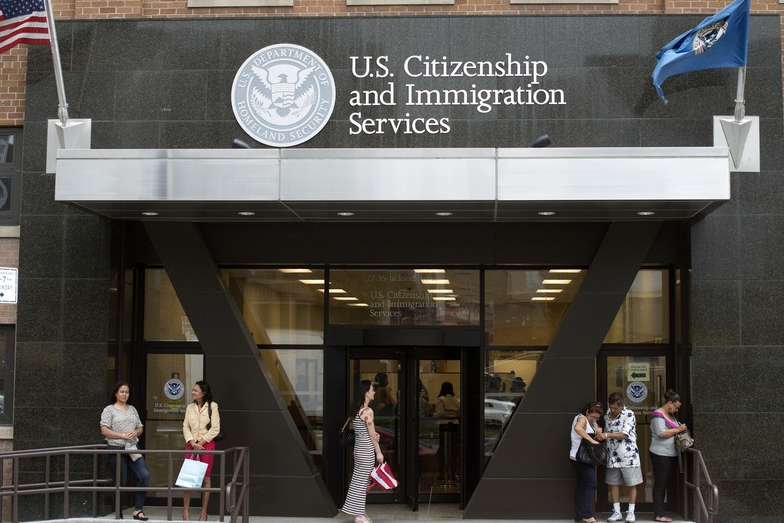
For more than 50 years, eligible foreigners with valid legal status could finish full green card application procedures inside the US, covering spouses of US citizens, H-visa employees, overseas students and asylum seekers. Official federal statistics show America issues over one million green cards yearly, with more than half of applicants completing status change domestically; according to data from Cato Institute, over one million pending domestic adjustment applications are waiting for official adjudication right now. After the memo was unveiled, immigration consultants received surging inquiry calls. Elizabeth Goss, a Boston-based immigration lawyer, criticized the rule was designed to push foreign residents out of the US, impacting physicians, researchers and corporate executives who had passed security vetting before entering the country, with no valid policy justification for such a drastic shift.
Faced with fierce public backlash and corporate worries, the US Department of Homeland Security (DHS) released an official clarification on May 30 via Bloomberg and Newsweek to defuse controversy. DHS stressed the memo was not an overall overhaul of immigration laws, merely reminding immigration officers of their long-standing case-by-case discretionary power instead of imposing universal overseas application requirements. High-skilled applicants contributing to US economy and national interests will largely stay unaffected, while existing lawful permanent residents face zero policy changes; only a small fraction of candidates may need to submit applications at offshore consulates. The clarification was widely seen as an effort to calm down American enterprises and immigrant groups.
Nevertheless, vague official wording failed to resolve uncertainties and brought extra confusion. The US government has not defined specific groups required to file applications abroad, leaving final decisions entirely to individual immigration officials. Benjamin Johnson, executive director of American Immigration Lawyers Association, noted unclear criteria would complicate potential legal challenges since affected applicants cannot confirm proper litigation targets. Multiple media outlets and critics argued the last-minute clarification was a makeshift measure by the Trump administration to ease massive public opposition against the initial restrictive green card proposal, leaving US green card approval rules stuck in persistent ambiguity.
 微信扫一扫打赏
 支付宝扫一扫打赏