admin
admin Norway, which twice rejected EU membership via national referendums over the past five decades, is reconsidering its EU ties amid drastic geopolitical shifts. Thanks to the European Economic Area agreement, Norway gains access to the EU’s single market without full EU regulatory jurisdiction. Fishing and agriculture sovereignty stood as core reasons behind its “No” votes in the 1972 and 1994 referendums. Seafood ranks as Norway’s second-largest export after fossil fuels, and local citizens fear EU rules would undermine domestic fishery quotas, with disputes over the sector once splitting families across the country.
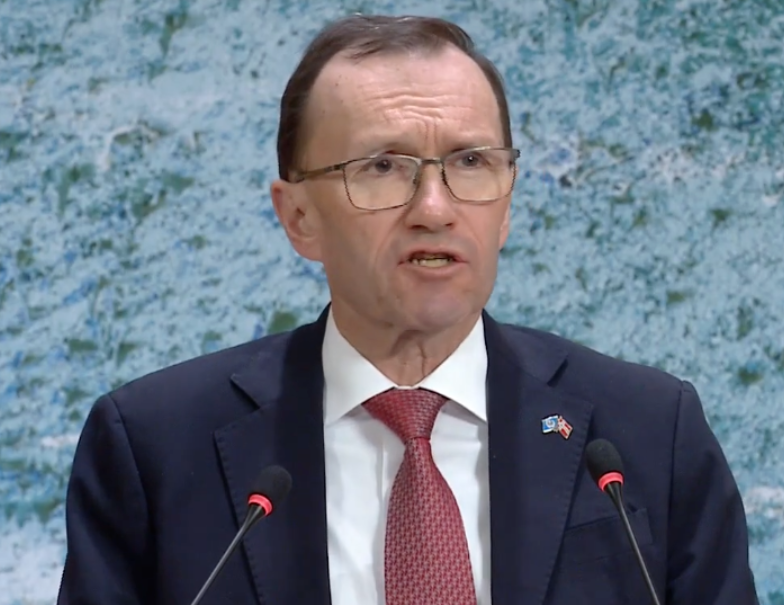
Espen Barth Eide, Norway’s Foreign Minister, noted the stable and benign global order when Norway voted down EU bids no longer exists, replaced by a turbulent international landscape. US tariff conflicts lay bare Norway’s institutional dilemma: though integrated into the EU single market, Norway has no say in EU-US trade negotiations. Besides, US ambitions over Greenland have eroded Oslo’s faith in US-backed NATO security guarantees, while the EU’s advancing defense integration has made European bloc membership far more appealing to Nordic nations.
Iceland, Norway’s Nordic neighbor, will hold a referendum this August to resume EU accession talks and seek exclusive exemptions on fishery policies, serving as a vital benchmark for Norway’s future EU calculus. Favorable fishery deals for Iceland would likely shift Norwegian public opinion. Yet current polls show most Norwegians oppose joining the EU, nurtured by strong independence rooted in abundant oil and gas reserves. Norway’s ruling Labour Party rules out an immediate new referendum, making short-term EU accession impossible. Analysts argue rising global uncertainties push European countries toward closer cooperation, yet plagued by enlargement fatigue, most EU member states will adopt a cautious stance on admitting Norway and Iceland despite official welcoming gestures.
 微信扫一扫打赏
 支付宝扫一扫打赏